EN


The growing demand for eco-friendly products has led to the innovation of soap sheets, a compact and sustainable cleaning solution ideal for both personal and industrial use. Soap sheets offer an effective alternative to traditional liquid soaps, addressing key buyer concerns such as performance, environmental impact, and cost-effectiveness. This article will delve into the specifications to consider, cost factors, common issues and solutions, application scenarios, and the advantages of plant-based soap sheets, helping purchasing managers and decision-makers make informed choices.
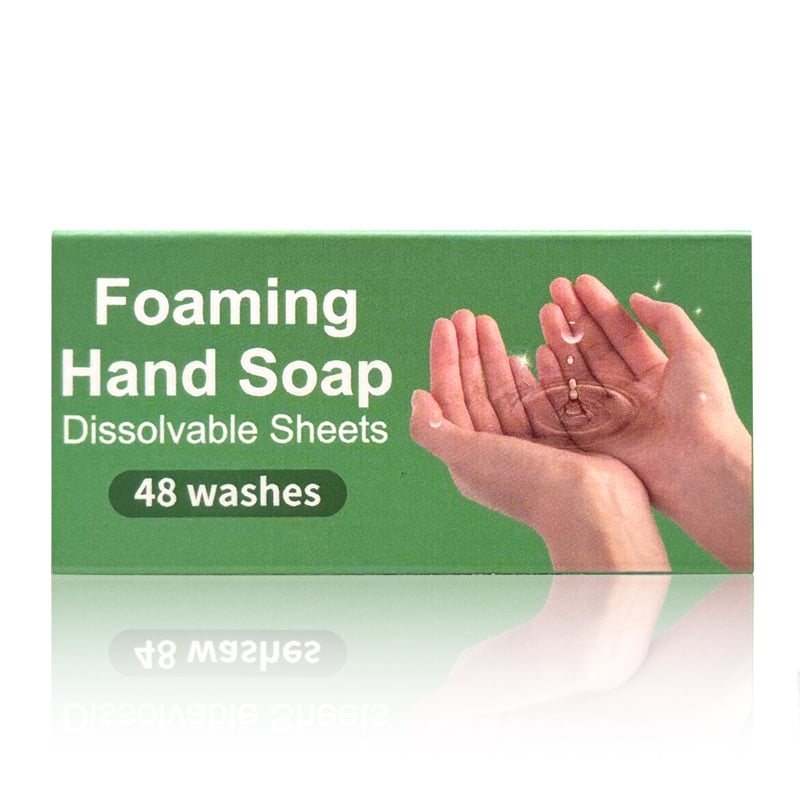
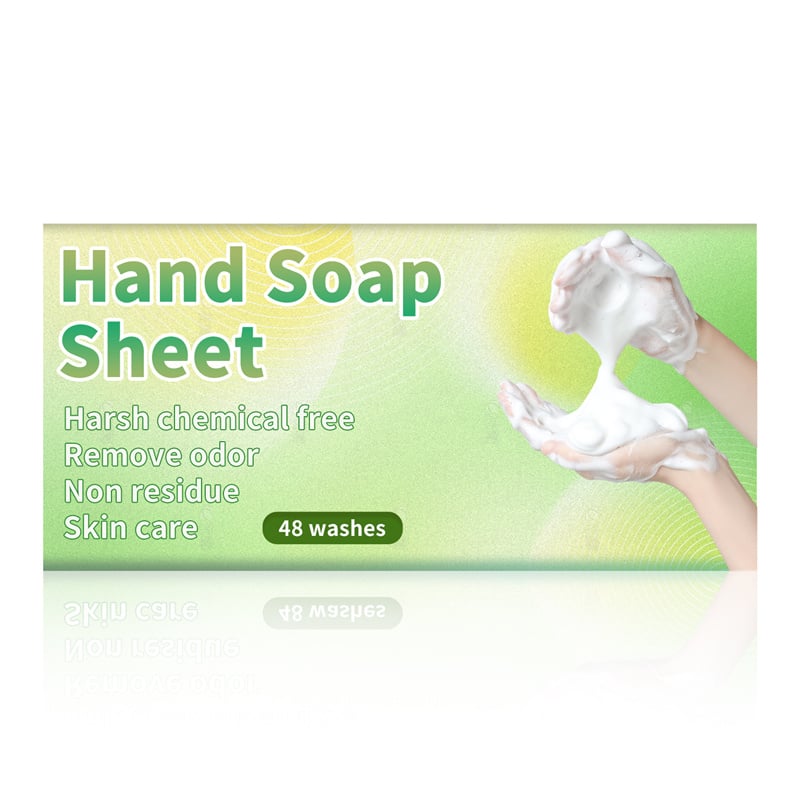
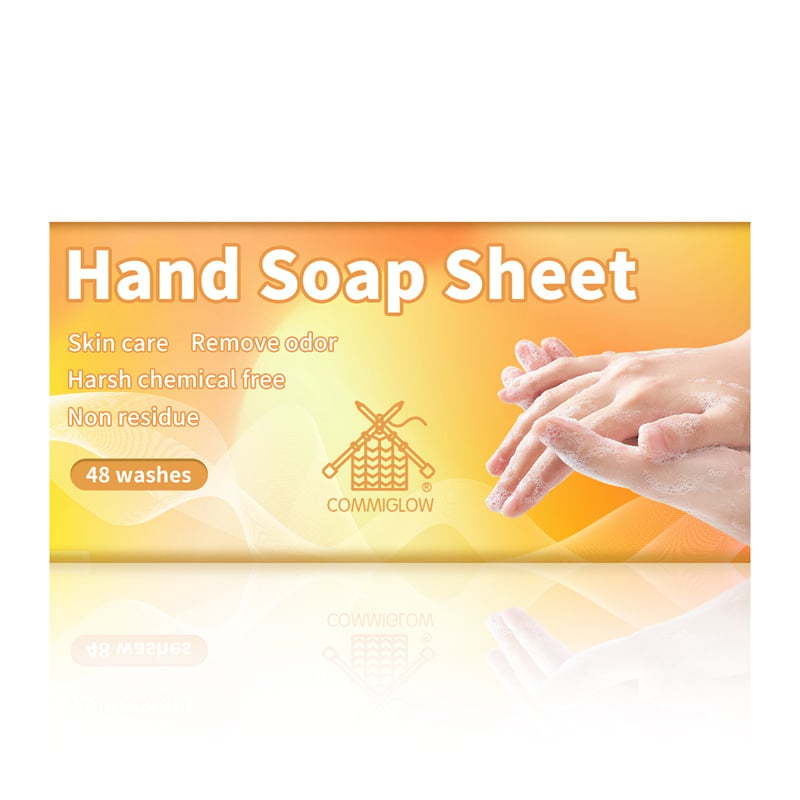
Cost Factors to Consider When Buying Soap Sheets in Bulk
Purchasing soap sheets in bulk can offer significant cost savings, but various factors can influence pricing. Here are some key considerations:
Material Costs: The type of materials used in soap sheet production directly affects the price. Plant-based materials may have a higher upfront cost but provide long-term savings through reduced environmental impact and regulatory compliance. This is similar to the benefits of eco-friendly active enzyme laundry detergent sheets.
Order Quantity: Bulk purchasing often comes with price breaks. Buyers should negotiate for larger quantities to lower the per-unit cost while ensuring they do not overstock beyond their usage needs.
Supplier Relationships: Establishing a long-term partnership with suppliers like Hebei Nuohui Trading Co., Ltd. can lead to better pricing arrangements and reliability in supply.
Customization Requirements: If specific customization is required, such as unique scents or packaging designs, this may increase costs. Buyers should weigh the benefits of customization against their budget constraints.
Shipping and Handling: Consider the shipping costs associated with bulk orders. Suppliers may offer better rates for larger shipments, but regional shipping fees can vary significantly.
By carefully evaluating these cost factors, buyers can make more informed decisions that align with their budgets and operational needs.